Holter Monitoring for Heart Rhythm Problems: When to Visit the Best Holter Monitor Doctor in Serilingampally

Dr. Pallavi Chindam
Consultant Physician & Diabetologist • Posted on July 22, 2026 • 9 min read
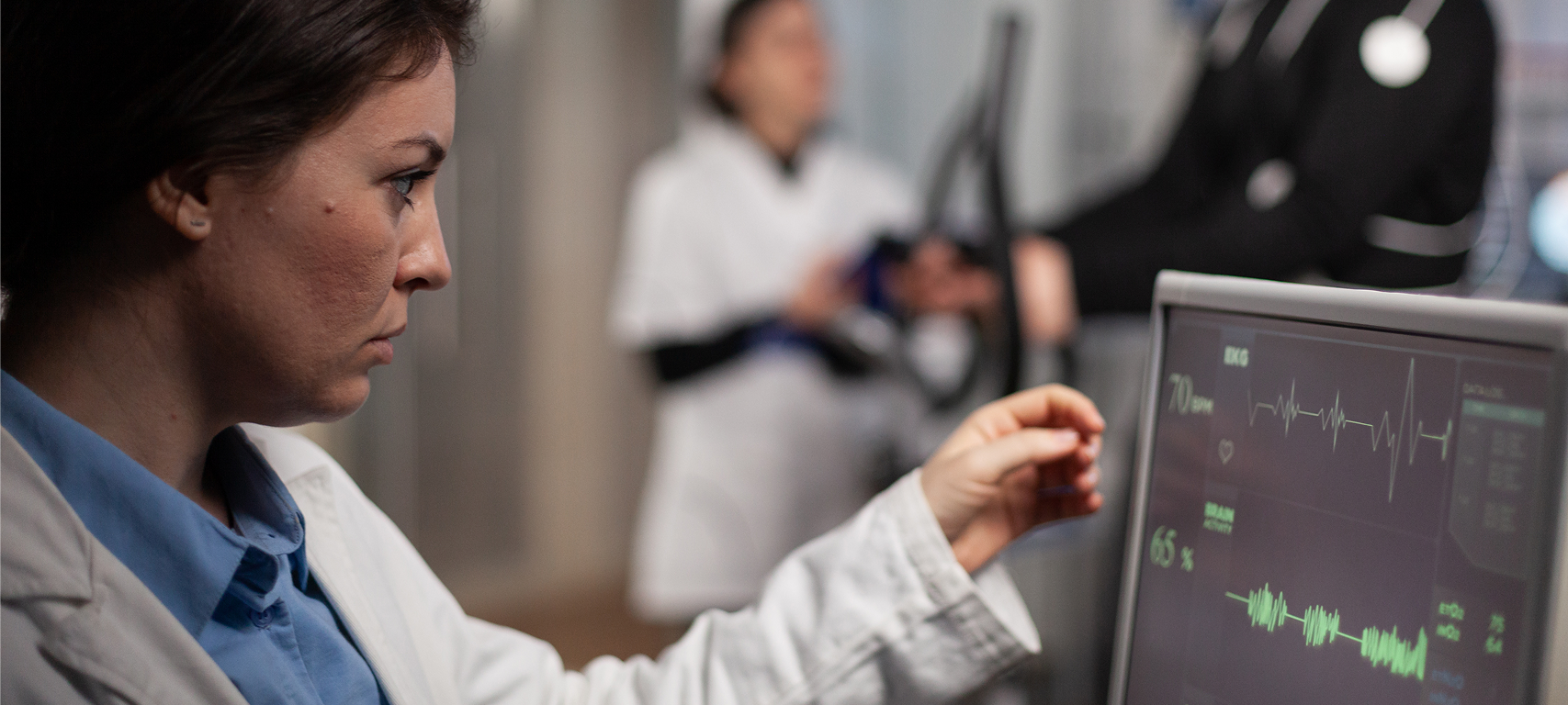
Heart rhythm problems, medically known as arrhythmias, can be tricky to diagnose because they often come and go unpredictably. A person may experience palpitations, dizziness, or a racing heartbeat one day and feel completely normal during a doctor's visit the next, making it nearly impossible to catch the issue on a standard ECG. This is exactly where Holter monitoring becomes invaluable. Knowing when to visit the best Holter monitor doctor in Serilingampally can help you finally get answers for symptoms that have been difficult to pin down.
What Is a Holter Monitor?
A Holter monitor is a small, portable device that continuously records your heart's electrical activity over an extended period, typically 24 to 48 hours, though some monitoring periods can extend up to a week or more depending on the clinical situation. Unlike a standard ECG, which captures only a brief snapshot of heart activity, a Holter monitor provides a continuous record, dramatically increasing the chances of catching intermittent rhythm abnormalities.
The device is worn comfortably under your clothing, with small electrodes attached to your chest connected to a lightweight recorder, allowing you to go about your normal daily activities while the device works in the background.
Why Continuous Monitoring Matters
Many heart rhythm problems are episodic, meaning they occur unpredictably and may last just seconds or minutes. A standard ECG, which typically records for less than a minute, can easily miss these brief episodes entirely, especially if they are not happening at that exact moment. Holter monitoring solves this problem by capturing your heart's activity continuously, including during sleep, physical activity, and any moments when you experience symptoms.
What Can a Holter Monitor Detect?
A Holter monitor is particularly useful for identifying:
- Atrial fibrillation: An irregular and often rapid heart rhythm that increases stroke risk
- Premature beats: Extra or skipped heartbeats that may feel like palpitations
- Bradycardia: Abnormally slow heart rate, which can cause fatigue or fainting
- Tachycardia: Episodes of abnormally fast heart rate
- Heart block: Interruptions in the heart's electrical conduction system
- Correlation between symptoms and heart rhythm: By keeping a diary of symptoms during the monitoring period, patients help doctors directly correlate specific sensations with what the heart is actually doing at that moment
Who Should Consider Holter Monitoring?
Your physician may recommend a Holter monitor if you experience:
- Palpitations or a sensation of your heart racing, fluttering, or skipping beats
- Unexplained dizziness or lightheadedness
- Fainting spells (syncope) with no clear cause
- Fatigue that seems disproportionate and unexplained by other factors
- A known heart rhythm condition that requires monitoring of treatment effectiveness
- Symptoms that occur intermittently and were not captured during a standard ECG
It may also be recommended after a stroke of unknown cause, to check for undiagnosed atrial fibrillation that could have contributed to the event.
What to Expect During Holter Monitoring
The process of Holter monitoring at Dr Pallavi Chindam's clinic typically involves:
- Initial consultation: A detailed discussion of your symptoms and medical history to determine the appropriate monitoring duration.
- Device fitting: Small electrodes are attached to your chest, connected to a compact, lightweight recording device that you can wear under your clothing.
- Normal daily activity: You go about your regular routine, including work, exercise, and sleep, while the device continuously records your heart's electrical activity.
- Symptom diary: You are asked to keep a log of any symptoms you experience, along with the time they occurred, which helps correlate specific events with the recorded heart rhythm.
- Device removal: After the monitoring period ends, you return to the clinic to have the device removed.
- Detailed analysis and results discussion: Dr Pallavi Chindam carefully reviews the complete recording, identifies any abnormal rhythms, and discusses the findings and their implications with you directly.
Tips for a Successful Holter Monitoring Period
To get the most accurate results during your monitoring period:
- Continue your normal daily activities as much as possible; the goal is to capture your typical heart rhythm patterns
- Avoid showering or swimming while wearing the device, as most monitors are not waterproof
- Keep the electrodes secure and avoid excessive sweating that could loosen them
- Record symptoms accurately in your diary, noting the time and nature of each episode
- Avoid using electronic devices that could interfere with the monitor, if advised by your doctor
Why Physician Expertise Matters for Accurate Diagnosis
Interpreting a 24 to 48-hour continuous ECG recording requires significant expertise. A skilled physician must sift through an enormous amount of data to identify clinically significant abnormalities while distinguishing them from normal variations in heart rhythm that occur naturally throughout the day. This is why choosing an experienced Holter monitor doctor is so important; automated software can flag potential abnormalities, but accurate clinical interpretation requires a trained physician's judgement.
Dr Pallavi Chindam brings this level of careful, detailed analysis to every Holter monitoring case, ensuring that findings are correlated with your symptoms and overall health picture to reach an accurate diagnosis.
What Happens After Diagnosis
If your Holter monitor reveals a significant heart rhythm abnormality, Dr Pallavi Chindam will discuss appropriate next steps, which may include:
- Medication to control heart rate or rhythm
- Lifestyle modifications to reduce triggers for arrhythmia
- Further specialised testing or referral for advanced cardiac procedures if needed
- A plan for ongoing monitoring to track how your condition responds to treatment
Get Clarity on Your Heart Rhythm
Unexplained palpitations, dizziness, or fainting spells deserve a thorough investigation, not guesswork. Holter monitoring offers a powerful way to capture and understand intermittent heart rhythm problems that a standard ECG might miss entirely. If you have been experiencing these symptoms, consult Dr Pallavi Chindam, recognised as one of the best Holter monitor doctors in Serilingampally, for careful, expert-led evaluation and a clear path toward diagnosis and treatment.
Distinguishing Between Different Types of Cardiac Monitors
Patients sometimes confuse Holter monitors with other types of cardiac monitoring devices, so it is helpful to understand the distinctions. A standard Holter monitor typically records continuously for 24 to 48 hours and is best suited for patients experiencing frequent symptoms. For patients whose symptoms occur less predictably, an event monitor or extended patch monitor, which can be worn for a week or more and sometimes only records during symptomatic episodes, may be more appropriate.
Your physician will help determine which type of monitoring device best suits your specific symptom pattern, ensuring the highest likelihood of capturing the relevant heart rhythm data needed for an accurate diagnosis.
What Happens if the Holter Monitor Captures Nothing Abnormal
It is not uncommon for a Holter monitor to record a completely normal 24 to 48-hour period, even in patients with genuine, but infrequent, rhythm problems. Rather than dismissing ongoing symptoms simply because a single monitoring period was normal, an experienced physician will consider extending the monitoring duration, using an alternative monitoring device better suited to infrequent symptoms, or pursuing other diagnostic approaches to eventually capture and identify the underlying issue.